
 Radiators play a crucial role in keeping your home warm and comfortable, especially during colder months. Yet, many homeowners overlook a simple but essential maintenance task—bleeding radiators. If your heating system isn’t performing as efficiently as it should, trapped air could be the hidden issue. Understanding how often to bleed your radiators and why it matters can improve heat distribution, reduce energy costs, and extend the life of your heating system.
1. What Does It Mean to Bleed a Radiator?
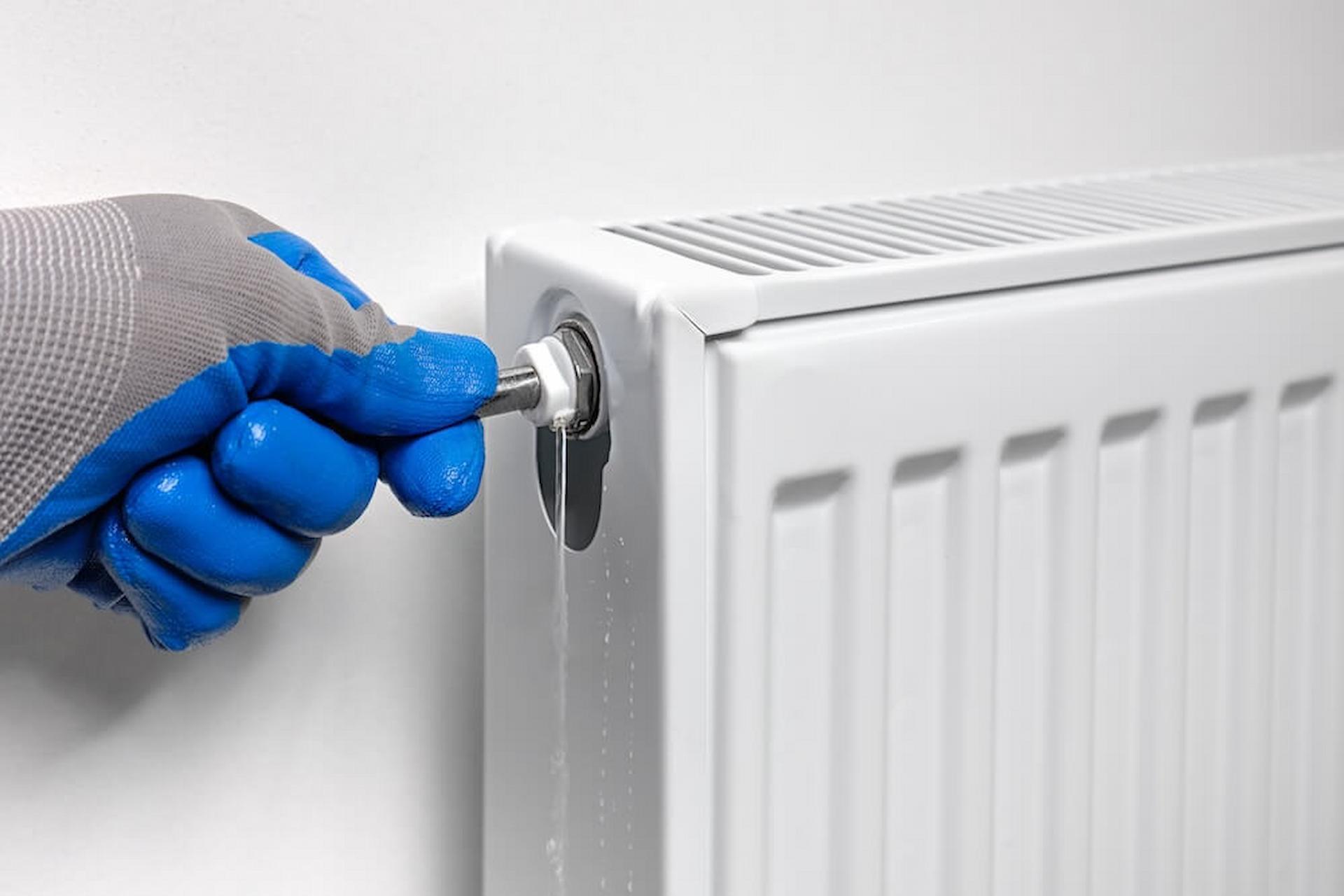
Bleeding a radiator involves releasing trapped air from inside the system. Over time, air can accumulate within radiators, preventing hot water from circulating properly. This results in uneven heating, where parts of the radiator remain cold.
When air pockets form, they act as barriers that block heat flow. By bleeding the radiator, you allow the air to escape, restoring efficient operation. It’s a quick process that requires minimal tools, yet it can significantly improve your home’s heating performance.
2. How Often Should You Bleed Your Radiators?
As a general rule, radiators should be bled at least once a year. The best time to do this is before winter, when your heating system is about to be used regularly.
However, frequency may vary depending on usage and system condition:
- Annually: Ideal for most households with standard heating use
- Twice a year: Recommended for older systems or frequent use
- As needed: If you notice cold spots or unusual noises
Regular checks ensure your system runs efficiently when you need it most
3. Signs Your Radiators Need Bleeding
Recognising the early warning signs can save you from discomfort and higher energy bills. Common indicators include:
- Cold spots, especially at the top of the radiator
- Gurgling or bubbling noises
- Radiators are taking longer to heat up
- Uneven room temperatures
Modern heating solutions, such as those offered by Stelrad Radiators, are designed for efficient heat distribution, but even the best systems require routine maintenance. Addressing these signs promptly helps maintain consistent warmth throughout your home.
4. Why Bleeding Radiators Matters
Neglecting this simple task can lead to several issues that affect both comfort and cost. Bleeding your radiators ensures:
- Improved heat efficiency: Hot water flows freely without obstruction
- Lower energy bills: Efficient systems use less energy to heat rooms
- Reduced strain on boilers: Prevents overworking your heating system
- Consistent indoor comfort: Eliminates cold spots and uneven heating
In essence, bleeding your radiators is not just maintenance—it’s an investment in long-term efficiency and performance.
5. Step-by-Step Guide to Bleeding a Radiator
Bleeding a radiator is straightforward and can be done without professional help. Here’s a simple guide:
- Turn off your heating system and allow radiators to cool
- Use a radiator key to slowly open the bleed valve
- Hold a cloth or container beneath to catch any drips
- Listen for a hissing sound as air escapes
- Close the valve once water starts to flow steadily
- Turn your heating back on and check performance
This process usually takes just a few minutes per radiator but delivers noticeable results.
6. Common Mistakes to Avoid
While bleeding radiators is simple, small errors can lead to inefficiencies or minor damage. Avoid these common mistakes:
- Bleeding while the heating is on: This can cause inaccurate results or hot water leaks
- Over-tightening the valve: May damage the valve or make future maintenance difficult
- Ignoring system pressure: Always check boiler pressure after bleeding
- Skipping regular checks: Waiting too long can reduce efficiency over time
Being mindful of these points ensures safe and effective maintenance.
7. Additional Tips for Optimal Radiator Performance
Beyond bleeding, a few extra steps can help maximise your heating system’s efficiency:
- Keep radiators free from dust and debris
- Avoid blocking them with furniture or curtains
- Ensure proper balancing across all radiators
- Schedule occasional professional servicing
These small adjustments can make a noticeable difference in overall heating performance.
Wrapping Up
Bleeding your radiators is a simple yet highly effective way to maintain a warm, energy-efficient home. By doing it at least once a year—or whenever you notice warning signs—you can prevent uneven heating, reduce energy costs, and extend the lifespan of your heating system. Regular maintenance ensures your radiators perform at their best, keeping your living space consistently comfortable throughout the colder months.
Leave a Reply
You must be logged in to post a comment.