
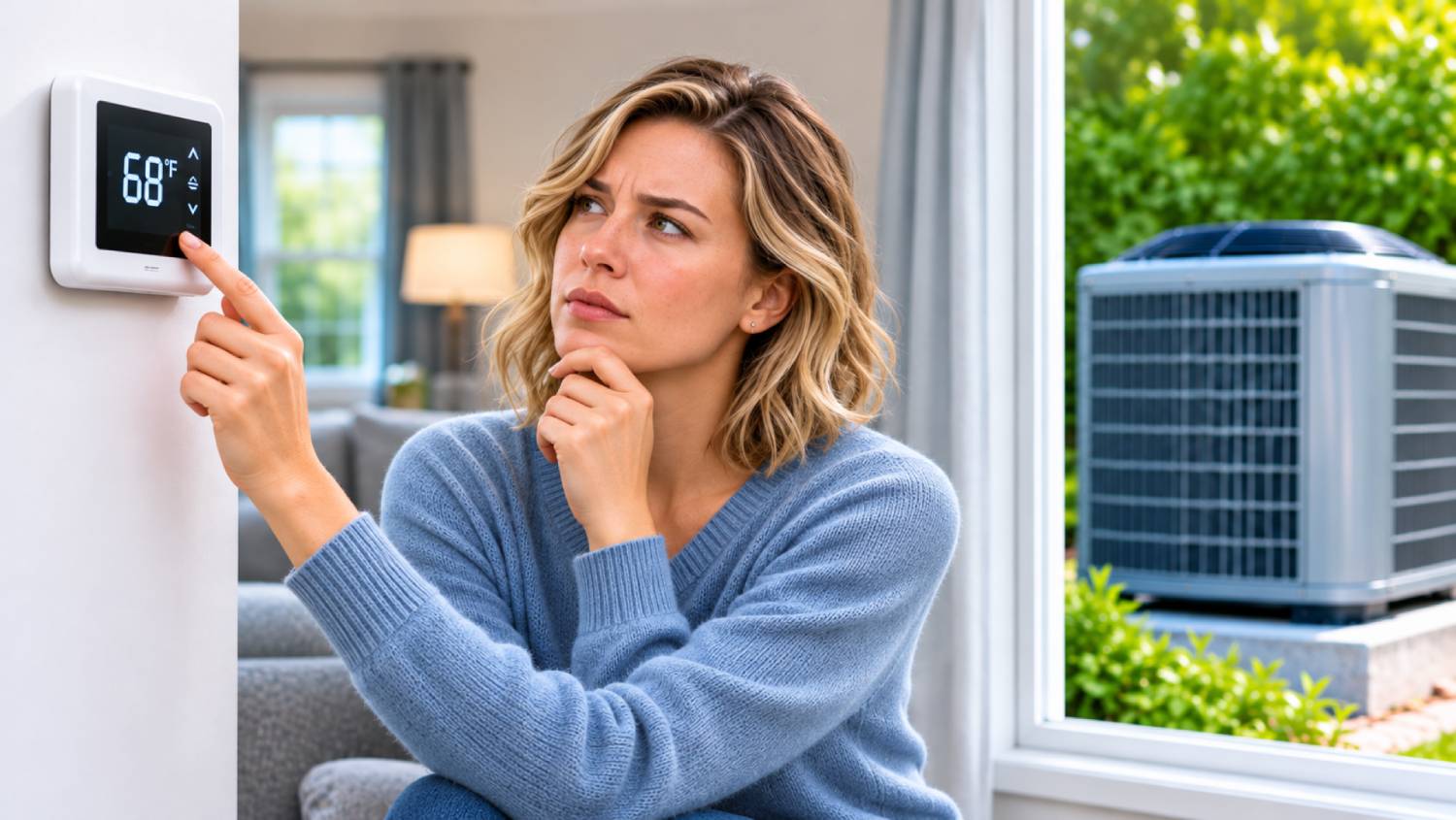
A comfortable home depends on more than having the heating or cooling switched on. Indoor temperatures, airflow, humidity and ventilation all influence how a property feels throughout the year. When these elements become unbalanced, everyday activities can become less comfortable, and the cause may not be immediately obvious.
Occasional discomfort may result from simple issues such as incorrect thermostat settings or blocked vents. However, persistent temperature differences, unusual equipment noises, poor airflow and unexplained changes in energy consumption can indicate a more significant problem. Recognising these warning signs early helps homeowners decide when basic checks are sufficient and when professional attention is needed.
Uneven Temperatures Between Rooms
One of the most common home comfort problems is having rooms that feel noticeably warmer or colder than others. This may occur because of restricted airflow, duct leaks, poor insulation or differences in exposure to sunlight. A bedroom at the end of a duct run, for example, may receive less conditioned air than a room closer to the main equipment.
Start by checking that vents are unobstructed and filters are maintained according to the manufacturer’s instructions. If the temperature difference continues, professional HVAC services in Grimes, IA can help assess the ductwork, airflow and system capacity. Correcting the underlying problem is generally more effective than repeatedly adjusting the thermostat to compensate for uncomfortable rooms.
Weak Airflow From Vents
Airflow problems can make a home feel uncomfortable even when the heating or cooling equipment is running. Weak air coming from vents may indicate a clogged filter, blocked return grille, fan problem or restriction within the ductwork. In some cases, damaged ducts allow conditioned air to escape before it reaches the intended rooms.
Homeowners can begin with basic checks, including inspecting accessible filters and ensuring furniture is not blocking vents. If airflow remains weak, professional assessment can help establish whether the cause lies within the equipment or the air distribution system. Persistent restrictions should not be ignored, as they may affect comfort and prevent the system from operating as intended.
Humidity and Indoor Air Quality Concerns
Excessive indoor humidity can make rooms feel clammy, encourage condensation and contribute to conditions that support mould growth. Low humidity can also cause discomfort, including dry skin and irritation. Humidity problems may be related to ventilation, moisture entering the building, drainage issues or the performance of the heating and cooling system.
Pay attention to condensation on windows, musty odours and recurring damp patches. These symptoms can have different causes, so a dehumidifier or air purifier may not resolve the underlying issue. A qualified professional can assess ventilation and equipment performance, while persistent leaks or dampness may require a separate building inspection.
Rising Energy Bills and Frequent Cycling
An unexpected increase in energy costs may indicate that an HVAC system is operating less efficiently than before. Dirty components, restricted airflow, faulty controls and poor insulation can all contribute to increased energy use. However, colder or hotter weather, changes in occupancy and energy prices can also affect bills, so costs should be considered alongside other symptoms.
Frequent starting and stopping, known as short cycling, is another sign worth investigating. It may be associated with thermostat problems, restricted airflow, incorrect equipment sizing or other faults. Homeowners can describe changes in energy use and operating patterns to help a technician identify the cause and recommend appropriate action.
Unusual Noises and Persistent Odours
Heating and cooling systems normally produce some operating noise, but sudden or persistent changes can signal a problem. Rattling may indicate a loose component, while grinding or buzzing can suggest mechanical or electrical issues. The meaning depends on the equipment, so a professional diagnosis is preferable to assuming the cause from the sound alone.
Unusual smells also deserve attention. Musty odours may be linked to moisture or dirty components, while a burning smell could indicate overheating or an electrical fault. If there is smoke, a strong burning smell or another immediate safety concern, switch the equipment off if safe and seek appropriate assistance. Never dismantle electrical or gas components yourself.
When Professional HVAC Attention Is Necessary
Basic maintenance can resolve some comfort problems, but repeated faults or symptoms that persist after simple checks warrant professional attention. A technician can inspect relevant components, test controls, assess airflow and explain whether repair, maintenance or further investigation is needed. Providing details about when the problem occurs and which rooms are affected can make the assessment more useful.
Choose a contractor with appropriate qualifications, relevant experience and suitable insurance. Request a clear explanation of the diagnosis, recommended work and expected costs before authorising repairs. Regular servicing in line with the manufacturer’s guidance can also help identify developing issues and maintain dependable system performance.
To Sum Up
Uneven temperatures, weak airflow, humidity problems, rising energy bills, unusual noises and persistent odours can all affect home comfort. Some problems have straightforward causes, while others involve equipment faults, ventilation or the building itself. Observing the symptoms and carrying out safe basic checks can help determine whether professional assistance is necessary.
If discomfort continues or the system’s behaviour changes noticeably, arrange an assessment rather than relying on repeated thermostat adjustments. Addressing the underlying cause, maintaining the equipment and improving airflow where appropriate can help create a more comfortable and reliable indoor environment throughout the year.
Leave a Reply
You must be logged in to post a comment.