
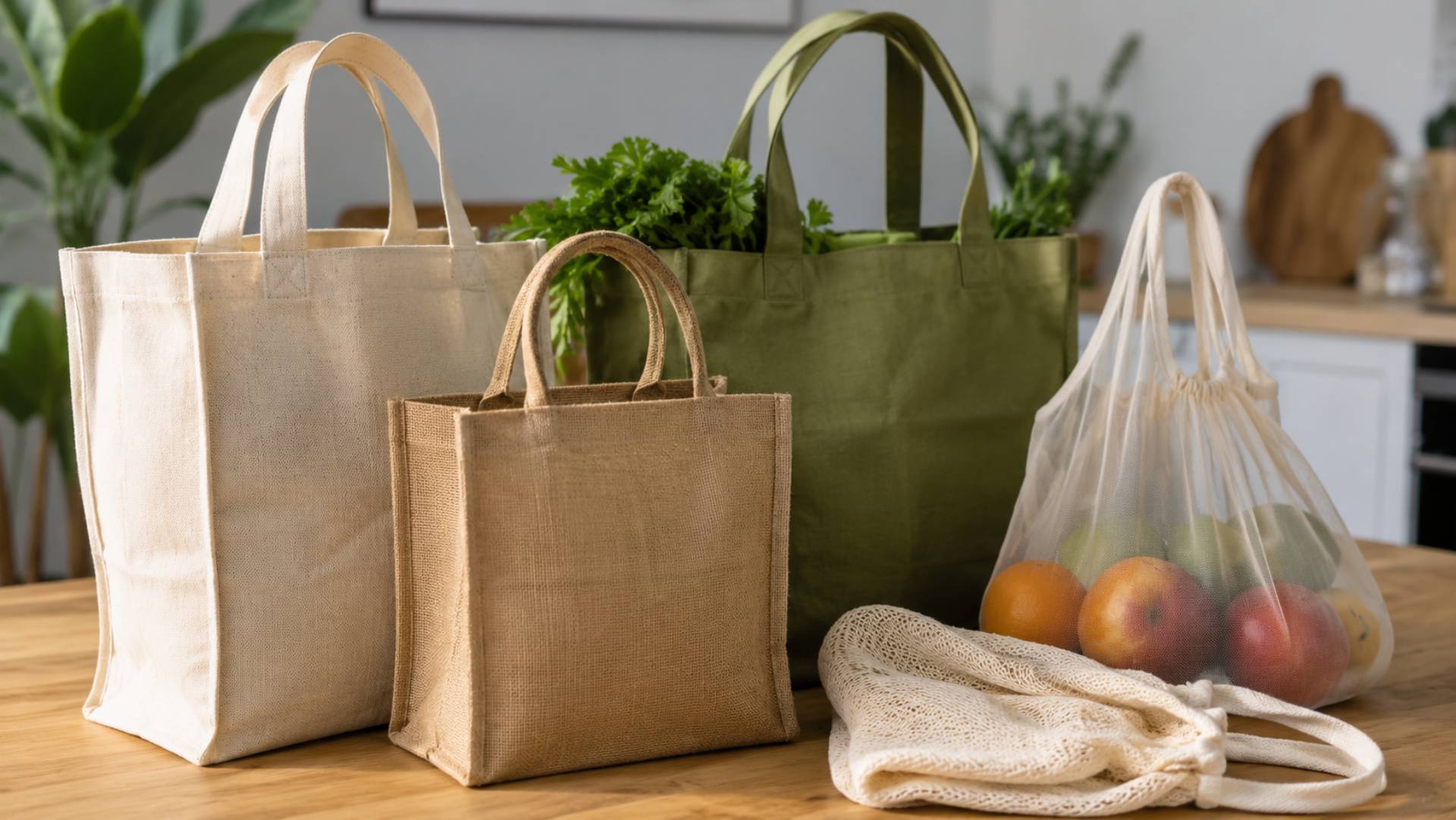
A carrier bag earns a second life when it feels useful, strong and worth keeping. Shoppers quickly discard packaging that tears, looks awkward or serves no purpose after purchase. By planning size, handles, print and material carefully, retailers can create bags that remain useful long after customers leave the shop.
Packaging reuse begins with a simple judgement: will this bag be useful again? Shoppers keep bags that feel strong, comfortable and easy to store. They discard those that split, carry poorly or display branding they would rather not show. For retailers, this behaviour affects both waste and brand visibility. Well-designed twisted handle paper bags can carry purchases safely while remaining practical for later shopping, storage or gifting. Reuse cannot be guaranteed, but thoughtful choices make it more likely. The strongest results come from balancing material, size, handle comfort and attractive print without making the packaging bulky or difficult to recycle.
Practical Value Comes Before Appearance
A beautiful carrier bag may impress at the point of sale, but appearance alone rarely earns repeated use. The customer must see a clear purpose for keeping it.
Useful bags can carry small purchases, hold household items or protect a gift. Their shape should work for common objects without wasting space. A bag that is too narrow, shallow or awkwardly proportioned may have little value after its first use.
Retailers should choose dimensions around the products they sell while considering possible uses beyond the original purchase. A practical shape gives the customer a reason to retain the packaging.
Strength Shapes the Customer’s Decision
Shoppers often judge quality through touch. Paper that feels weak suggests that the bag may tear, while firm material creates confidence.
The base, side folds and handle attachment points carry most of the strain. If any part feels unreliable, the customer is unlikely to trust the bag again. Packaging should be tested with realistic product weights rather than empty.
Paper thickness must suit the intended contents. Using heavier material than necessary can increase cost and resource use, while paper that is too light may fail before reuse is possible. The best specification provides dependable performance without excess.
Comfortable Handles Increase Reuse
Handles determine how pleasant the bag is to carry. Thin, rough or poorly attached handles can press into the hand and make even a short walk uncomfortable.
Twisted paper handles offer a clear gripping point and help the bag remain easy to pick up. Their colour can be selected to match or contrast with the main artwork. White, brown, black, red and navy options can support different visual styles.
The distance between the handles matters too. Customers need enough room to hold the bag naturally without the top edges pressing against their hands.
Branding Must Be Attractive Enough to Carry Again
A reused bag becomes mobile advertising, but this only works when customers are comfortable displaying it. Oversized logos, crowded text or short-lived promotional messages can reduce reuse.
Clear artwork often has a longer lifespan. A balanced logo, suitable colours and generous empty space can make the packaging feel more like a useful possession than an advertisement.
Custom twisted handle paper bags can support spot colours, broad ink coverage or full-colour digital artwork, depending on the print method and order size. The design should remain clear when the bag is folded, carried or viewed from a distance.
Avoid adding more information simply because print space is available. A memorable design is usually easier to recognise than a busy one.
The Right Size Reduces Waste
Oversized packaging may feel generous, but it can be inconvenient to carry and store. An undersized bag may stretch, crease or tear.
Businesses should review their usual product combinations before selecting sizes. One carefully chosen medium bag may suit most transactions, while small and large options can cover less common purchases.
Using several sizes can reduce excess material, but too many options may create stock problems. Sales data can help retailers identify which dimensions are genuinely needed.
Storage Determines Whether a Bag Survives
Customers are more likely to keep packaging that stores neatly. Paper carrier bags should fold reasonably flat without permanently damaging the handles or base.
Bulky fittings, unusual shapes and stiff decorative additions can make storage difficult. If the bag takes up too much cupboard space, it may be discarded despite looking attractive.
Retailers should assess the entire lifespan of the packaging, including how it arrives, opens, carries, folds and returns to use. Reuse depends on all these stages working well.
Print Method Should Match the Order
Print choices influence cost, appearance and ordering flexibility. Reel-printed bags can support larger quantities, broad print areas and consistent colour across long runs. They are suited to businesses with predictable packaging demand.
Digital printing can suit shorter runs and faster requirements. It can support one-colour or full-colour artwork with lower minimum quantities, depending on bag size.
Ordering too many bags may create waste if branding or product needs change. Ordering too few can raise the unit cost and cause stock shortages. Businesses should base quantities on realistic use rather than optimistic sales forecasts.
Recyclability Still Matters After Reuse
Repeated use delays disposal, but every paper bag eventually reaches the end of its practical life. Simple paper construction makes disposal easier for customers.
Food residue, grease, heavy adhesives or decorative materials can affect whether paper packaging belongs in household recycling. Retailers should avoid making environmental statements that are broader than the actual specification supports.
Clear disposal information can help customers make the right choice. It should be short, accurate and placed where it does not dominate the design.
Conclusion
Packaging avoids the bin when customers recognise a purpose beyond the first purchase. Strength gives them confidence, while suitable dimensions and comfortable handles make the bag useful for daily tasks. Print has an important role, but branding should remain attractive enough for customers to carry willingly.
Retailers should test bags with real product weights, study common purchases and choose quantities based on genuine demand. They should consider how the packaging folds, stores and reaches the end of its life. A bag that looks impressive but proves awkward will rarely earn repeated use.
Reuse is not created by a single environmental message. It comes from practical design decisions that respect the customer’s needs. By combining dependable kraft paper, useful sizes, clear artwork and comfortable twisted handle paper bags, businesses can create packaging that customers are more likely to retain, reuse and remember.
Leave a Reply
You must be logged in to post a comment.