
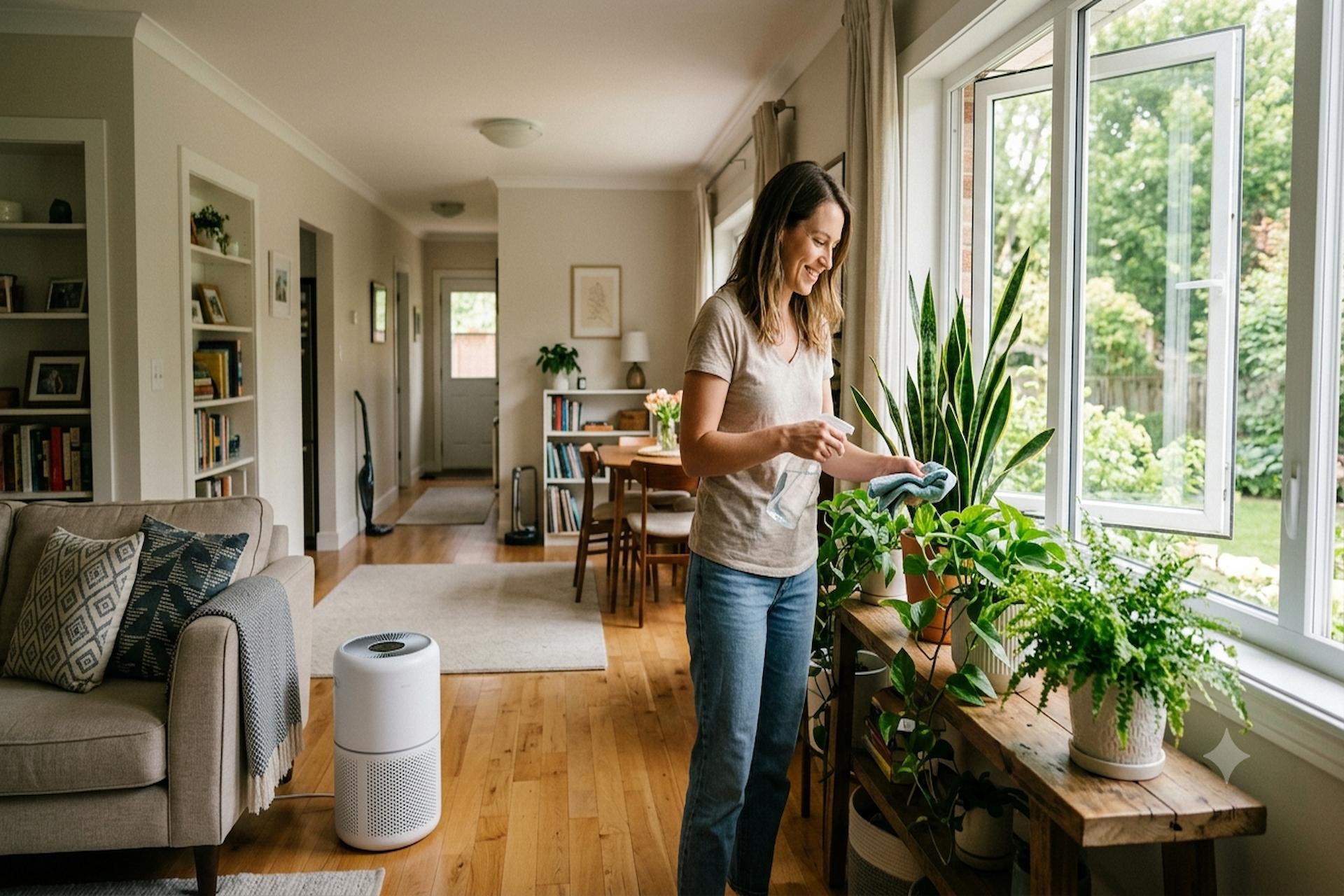
The air inside your home affects more than just comfort. It can influence your sleep, allergy symptoms, respiratory health, and even the efficiency of your heating and cooling system. Since most people spend a significant amount of time indoors, maintaining healthy indoor air should be a year-round priority rather than a seasonal concern.
Whether you’re dealing with pollen in the spring, humidity in the summer, or tightly sealed windows during the winter, following a few simple habits can make a noticeable difference. If you’re looking for professional solutions, services such as air purifier service Petersburg, IN can help homeowners improve indoor air quality with systems designed for long-term performance.
Why Indoor Air Quality Matters
Indoor air often contains a mixture of dust, pet dander, pollen, mold spores, and volatile organic compounds (VOCs) released from cleaning products, furniture, and building materials. Without proper ventilation and filtration, these pollutants can accumulate over time.
Poor indoor air quality may contribute to:
- Increased allergy and asthma symptoms
- Unpleasant odors
- Dust buildup throughout the home
- Reduced HVAC efficiency
- Greater exposure to airborne contaminants
Improving indoor air quality benefits not only your health but also helps protect your home’s HVAC system from unnecessary strain.
Replace HVAC Filters on Schedule
One of the simplest ways to improve indoor air quality is by replacing your HVAC air filter regularly. A dirty filter restricts airflow and allows dust and other particles to circulate throughout your home.
The ideal replacement schedule depends on several factors, including:
- Whether you have pets
- The number of people in your household
- Allergy concerns
- The type of filter installed
Many homeowners benefit from checking their filter every month and replacing it every one to three months, depending on its condition.
Control Indoor Humidity
Humidity plays a major role in indoor air quality. Excess moisture creates favorable conditions for mold growth and dust mites, while overly dry air can irritate your skin, eyes, and respiratory system.
A comfortable indoor humidity level generally falls between 30% and 50%. You can help maintain this balance by:
- Using bathroom and kitchen exhaust fans
- Repairing plumbing leaks promptly
- Running a dehumidifier in damp areas
- Using a humidifier during very dry winter months if necessary
Monitoring humidity with an inexpensive hygrometer can help you make adjustments before problems develop.
Keep Your Home Clean Without Overusing Chemicals
Routine cleaning removes many common indoor pollutants before they become airborne. However, some cleaning products release chemicals that may negatively affect indoor air quality.
Instead of relying heavily on harsh products:
- Vacuum carpets using a vacuum with a HEPA filter.
- Dust surfaces with microfiber cloths.
- Wash bedding regularly in hot water.
- Clean pet bedding frequently.
- Choose low-VOC or fragrance-free cleaning products whenever possible.
Regular cleaning also helps reduce allergens that collect on furniture, flooring, and fabrics.
Improve Ventilation Throughout the Year
Fresh outdoor air helps dilute indoor pollutants, even when your home is well insulated.
Simple ways to improve ventilation include:
- Opening windows when outdoor air quality permits
- Running exhaust fans while cooking or showering
- Keeping HVAC vents unobstructed
- Using ceiling fans to improve air circulation
Modern homes are often built to be highly energy efficient, but that also means contaminants can become trapped indoors without adequate ventilation.
Consider an Air Purification System
Portable air purifiers can be effective in individual rooms, but whole-home air purification systems provide continuous treatment throughout your living space.
A professionally installed purification system can help reduce:
- Airborne dust
- Pollen
- Pet dander
- Mold spores
- Certain bacteria and viruses
- Odors from cooking or pets
If your family experiences frequent allergies or respiratory irritation, discussing air purifier service Petersburg, IN with a qualified HVAC professional can help determine which system best fits your home’s needs and existing HVAC equipment.
Reduce Sources of Indoor Pollution
Many indoor pollutants originate from everyday household activities. Identifying and minimizing these sources can significantly improve your home’s air quality.
Some practical steps include:
- Avoid smoking indoors.
- Store paints, solvents, and chemicals in well-ventilated areas away from living spaces.
- Remove shoes at the door to reduce dirt and pollen.
- Use kitchen exhaust fans whenever cooking.
- Maintain fireplaces and wood-burning stoves properly.
Small daily habits often have a greater long-term impact than homeowners realize.
Don’t Ignore HVAC Maintenance
Your heating and cooling system continuously circulates air throughout your home. If the system isn’t maintained, dust, debris, and reduced airflow can negatively affect indoor air quality.
Routine HVAC maintenance typically includes:
- Inspecting air filters
- Cleaning system components
- Checking airflow
- Inspecting ductwork
- Ensuring the system operates efficiently
Professional maintenance not only helps improve indoor air quality but can also extend equipment life and reduce the likelihood of unexpected repairs.
Watch for Signs of Poor Indoor Air Quality
Sometimes the warning signs are subtle. Paying attention to changes inside your home can help you address issues before they become more serious.
Common indicators include:
- Persistent dust despite frequent cleaning
- Musty odors
- Condensation on windows
- Frequent allergy flare-ups indoors
- Mold growth around vents or windows
- Stale or stuffy indoor air
If multiple symptoms appear together, it may be time to evaluate both your home’s ventilation and filtration systems.
Conclusion
Maintaining healthy indoor air doesn’t require complicated routines or expensive upgrades. Consistently replacing air filters, controlling humidity, improving ventilation, reducing indoor pollutants, and keeping your HVAC system properly maintained can make a meaningful difference throughout the year.
Every home has unique air quality challenges, but proactive maintenance helps create a healthier, more comfortable environment for everyone under your roof. By adopting these simple habits and seeking professional guidance when needed, homeowners can enjoy cleaner air in every season.
Leave a Reply
You must be logged in to post a comment.