
Your floors put up with a lot every day. They handle heavy foot traffic, furniture, pets, spills, and constant movement. Over time, even the toughest flooring starts to show signs of wear. Scratches appear on hardwood, laminate edges lift, vinyl tears, and tiles crack or loosen.
The good news is that many flooring problems can be repaired without replacing the entire floor. Knowing how to identify damage early and use the right repair method can save money, extend your floor’s lifespan, and keep your home looking its best.
This guide explains the most common flooring problems, practical repair techniques, maintenance tips, and how to decide whether repairing or replacing your floor is the smarter investment.
Understanding Common Flooring Problems
Different flooring materials wear in different ways. Learning to recognize the early signs of damage makes repairs easier and often prevents larger issues.
Common flooring problems include:
- Surface scratches
- Deep dents and gouges
- Loose or squeaky floorboards
- Water damage
- Cracked or chipped tiles
- Loose or missing grout
- Torn or peeling vinyl flooring
- Buckling or lifting laminate planks
- Uneven flooring
- Soft spots caused by moisture
Many of these issues begin as small cosmetic defects before becoming structural problems if ignored.
Inspect the Damage Before Starting Repairs
Before reaching for tools or repair kits, spend a few minutes evaluating the problem.
Ask yourself:
- Is the damage only on the surface?
- Has moisture caused the issue?
- Is the subfloor still solid?
- Can one section be replaced?
- Are matching replacement materials available?
Taking time to inspect properly helps you choose the right repair method instead of making the problem worse.
Repairing Hardwood Floors
Hardwood floors are durable and can often be restored multiple times throughout their life.
Fixing Light Scratches
Minor scratches usually affect only the finish.
Simple solutions include:
- Hardwood floor repair markers
- Wax repair sticks
- Wood stain pens
- Matching wood polish
These products blend scratches into the surrounding wood without requiring refinishing
Repairing Deep Scratches and Gouges
When damage reaches the wood itself, you’ll need a stronger repair.
The typical process includes:
- Clean the damaged area.
- Apply wood filler that matches the floor color.
- Allow it to dry completely.
- Sand the repair smooth.
- Apply stain if needed.
- Finish with protective polyurethane.
Done carefully, most repairs become nearly invisible.
Replacing Damaged Hardwood Boards
Boards affected by severe water damage, warping, or large cracks usually need replacement.
The repair involves:
- Removing the damaged plank
- Cleaning the subfloor
- Installing a matching replacement board
- Securing it properly
- Sanding and finishing if necessary
Matching wood species, grain, and stain creates the best result.
Repairing Laminate Flooring
Laminate flooring offers durability but cannot usually be sanded like hardwood.
Fortunately, many repairs are straightforward.
Fixing Small Chips
Minor chips can often be repaired using:
- Laminate repair paste
- Color-matched wax fillers
- Touch-up kits
Always clean the damaged area first for better adhesion.
Replacing Individual Laminate Planks
When planks are badly damaged:
- Remove the damaged section
- Unlock surrounding boards if possible
- Install the replacement plank
- Ensure locking joints fit tightly
Many floating laminate floors make individual plank replacement relatively simple.
Solving Buckling or Lifting
Laminate often buckles because of moisture or insufficient expansion space around walls.
Possible solutions include:
- Eliminating moisture sources
- Improving ventilation
- Removing trim to create proper expansion gaps
- Reinstalling affected sections
Never force raised planks back into place without fixing the underlying cause.
Repairing Vinyl Flooring
Vinyl flooring is affordable, waterproof, and easy to maintain, but it can tear or become loose over time.
Repairing Small Cuts
Small cuts can often be sealed using:
- Vinyl seam sealer
- Flooring adhesive
- Clear repair compounds
These products prevent moisture from reaching the subfloor.
Replacing Damaged Vinyl Tiles
Luxury vinyl tiles and peel-and-stick flooring are designed for easy replacement.
The process usually involves:
- Heat the damaged tile slightly.
- Remove it carefully.
- Clean away old adhesive.
- Install the new tile.
- Roll it firmly into place.
Replacing one tile is much less expensive than replacing an entire room.
Repairing Sheet Vinyl
Large tears may require patching.
A successful repair depends on:
- Using matching material
- Cutting clean edges
- Aligning patterns carefully
- Applying adhesive evenly
Proper seam sealing helps make repairs less noticeable.
Repairing Tile Floors
Tile is one of the most durable flooring materials, but individual tiles can crack from impact or movement.
Replacing Cracked Tiles
One damaged tile rarely means replacing the entire floor.
Basic steps include:
- Remove old grouth
- Break out the damaged tile
- Clean away old mortar
- Apply fresh thin-set mortar
- Install the replacement tile
- Re-grout after curing
Careful removal protects surrounding tiles.
Repairing Loose Tiles
Loose tiles often indicate failing adhesive.
Lift the tile carefully, remove old mortar, and reinstall it using fresh thin-set.
Allow sufficient curing time before walking on the floor.
Repairing Damaged Grout
Grout does more than improve appearance. It also keeps moisture away from the subfloor.
Signs grout needs repair include:
- Cracks
- Missing sections
- Mold growth
- Discoloration
- Loose particles
Regrouting Tile Floors
Old grout can usually be replaced without removing the tiles.
The process includes:
- Remove damaged grout.
- Vacuum debris thoroughly.
- Apply fresh grout.
- Wipe away excess.
- Allow proper curing.
- Apply grout sealer if recommended.
Fresh grout instantly improves both appearance and water resistance.
Fixing Loose or Squeaky Floorboards
Squeaks often develop because boards move against nails or the subfloor.
Possible fixes include:
- Tightening loose fasteners
- Adding flooring screws
- Applying construction adhesive from below
- Reinforcing the subfloor where accessible
Address squeaks early before movement causes larger structural damage.
Repairing Water Damage
Water is one of the biggest threats to any flooring material.
Signs include:
- Swelling
- Soft spots
- Warping
- Buckling
- Mold
- Musty odors
Before repairing flooring, always eliminate the moisture source.
Depending on the extent of damage, repairs may involve:
- Drying the affected area
- Replacing damaged boards
- Installing new underlayment
- Repairing plumbing leaks
- Improving ventilation
Ignoring moisture usually leads to recurring problems.
Choosing Matching Replacement Materials
A repair looks best when replacement materials closely match the original floor.
When shopping for replacements, compare:
- Color
- Texture
- Thickness
- Finish
- Board width
- Tile size
- Pattern
- Manufacturer specifications
Keeping leftover flooring after installation makes future repairs much easier.
Maintaining Different Flooring Types
Regular maintenance greatly reduces repair costs.
Hardwood
- Sweep frequently.
- Use felt pads under furniture.
- Clean spills immediately.
- Recoat protective finishes when needed.
- Maintain indoor humidity levels.
Laminate
- Vacuum regularly.
- Avoid excessive water.
- Use manufacturer-approved cleaners.
- Protect high-traffic areas with rugs.
Vinyl
- Mop with mild cleaner.
- Avoid dragging heavy furniture.
- Clean spills quickly.
- Replace worn protective pads.
Tile
- Sweep regularly.
- Clean grout periodically.
- Seal grout when recommended.
- Replace cracked grout promptly.
Consistent care extends the life of every flooring material.
Common Flooring Repair Mistakes
Many DIY repairs fail because of simple mistakes.
Avoid these common problems:
- Ignoring moisture issues
- Using the wrong adhesive
- Installing mismatched materials
- Walking on repairs before they cure
- Skipping surface preparation
- Using harsh cleaning chemicals
- Neglecting expansion gaps for laminate flooring
Careful preparation often determines whether a repair lasts for years or only a few months.
When Is Replacement Better Than Repair?
Repairs aren’t always the most cost-effective option.
Replacement may make more sense when:
- Water damage covers large areas.
- Mold has reached the subfloor.
- Flooring is nearing the end of its lifespan.
- Matching materials are no longer available.
- Structural damage affects multiple sections.
- Frequent repairs continue to appear.
A complete replacement often provides better long-term value than repeatedly fixing widespread damage.
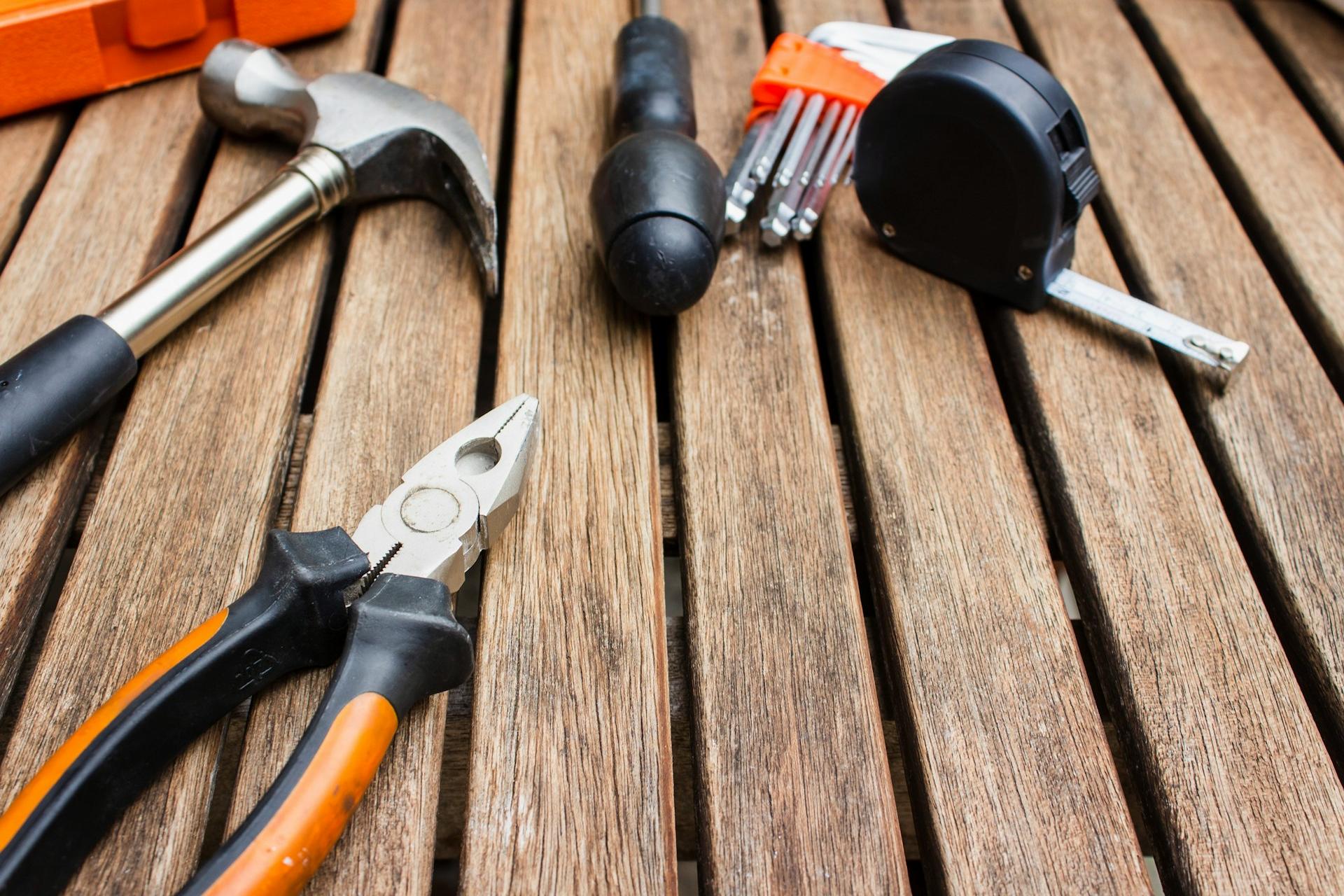
Basic Flooring Repair Toolkit
Most homeowners can complete minor flooring repairs with a few essential tools.
Useful items include:
- Utility knife
- Tape measure
- Rubber mallet
- Pry bar
- Putty knife
- Wood filler
- Floor repair markers
- Grout float
- Grout saw
- Thin-set mortar
- Flooring adhesive
- Sandpaper
- Safety glasses
- Knee pads
- Vacuum cleaner
Having the right tools makes repairs faster, safer, and more accurate.
Preventing Future Flooring Damage
The easiest repair is the one you never have to make.
Protect your floors by:
- Cleaning spills immediately
- Using entry mats to trap dirt
- Placing furniture pads under heavy items
- Maintaining stable indoor humidity
- Avoiding excessive water during cleaning
- Trimming pet nails
- Inspecting flooring regularly for early signs of damage
Small preventative habits can add years to your flooring’s lifespan.
Conclusion
Flooring naturally wears over time, but most common problems don’t require a full replacement. Scratches, chipped tiles, loose boards, damaged grout, and worn vinyl can often be repaired with the right tools, careful preparation, and a little patience. Acting quickly when damage first appears helps prevent more expensive repairs later and keeps your floors safe, attractive, and durable.
Regular cleaning, routine inspections, and proper maintenance are just as important as repairs. By understanding how each flooring material behaves and addressing issues before they worsen, homeowners can protect their investment, extend the life of their floors, and enjoy a comfortable, well-maintained home for many years.
Leave a Reply
You must be logged in to post a comment.